
Your quarry, February
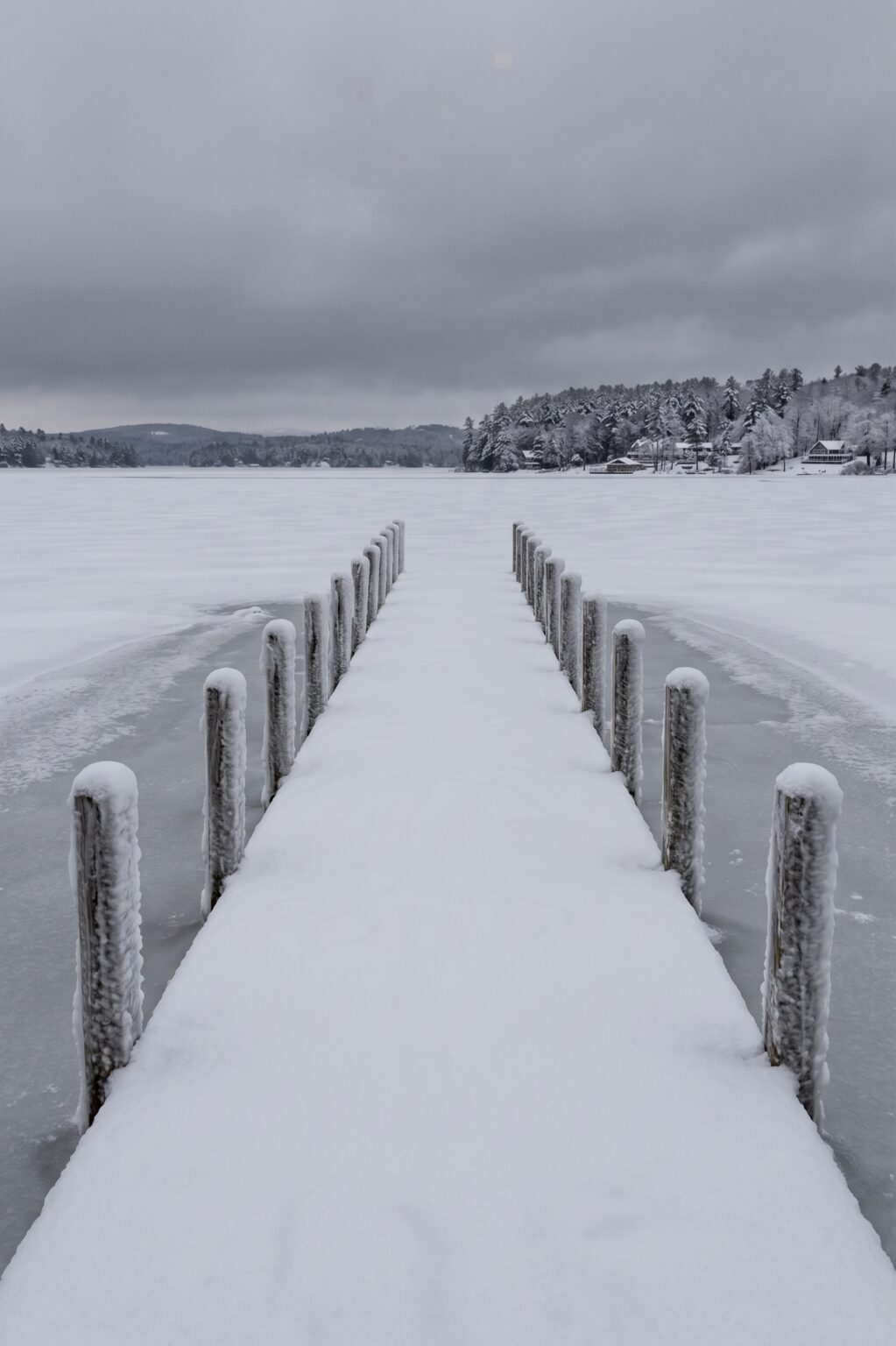
Iced over
until June
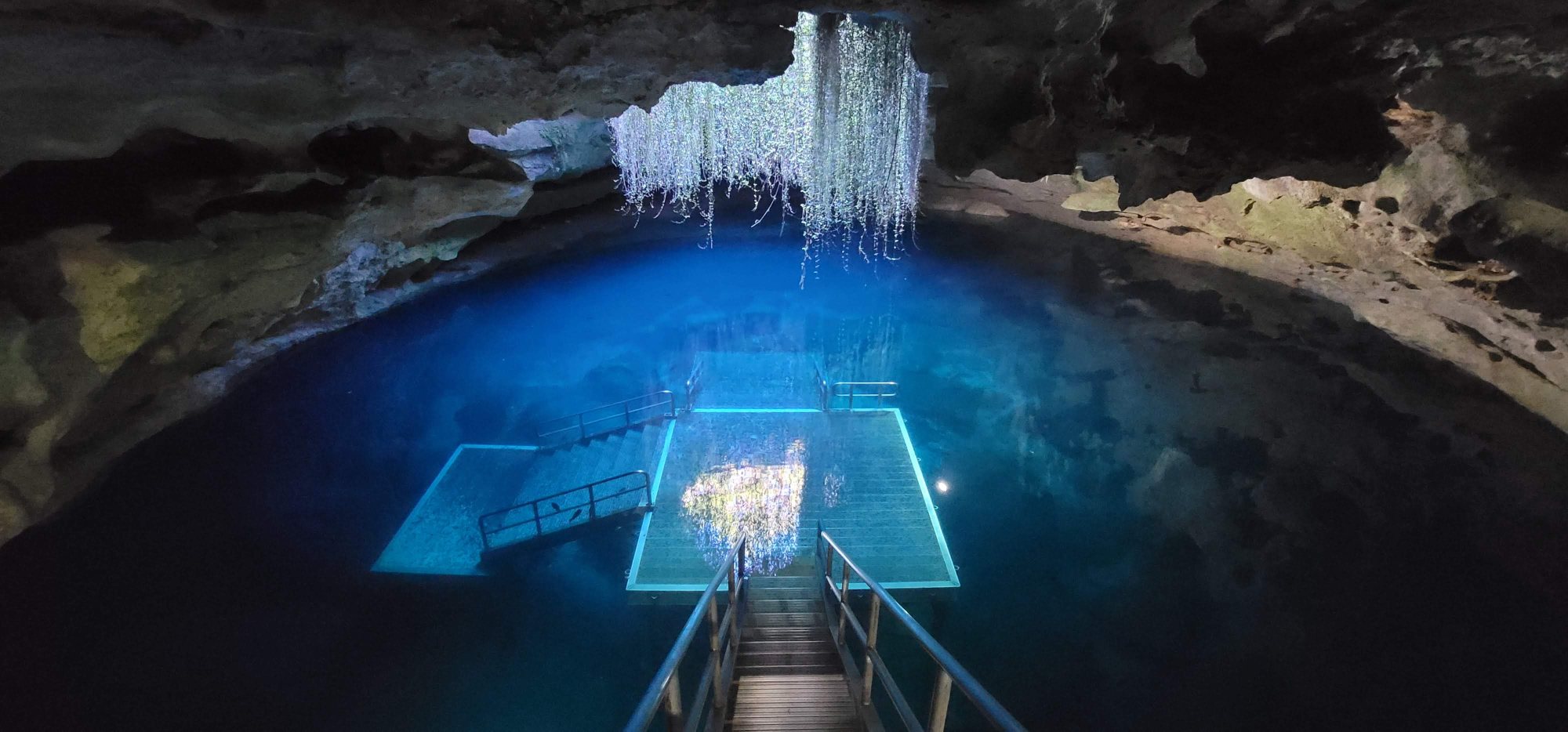
Devil’s Den, Florida
72°F
this morning
You did the academics on your laptop after work. You did your confined water sessions in your shop’s pool — the one that stays open all winter. Then you looked at the quarry, and the quarry looked back with six inches of ice on it.
Four open water dives are the only thing between you and your certification card. They don’t have to wait until June.
Your referral is already in your phone
If you trained at an SSI Training Center, your instructor issued you a digital Referral Diver card the moment you passed your final exam and finished your pool sessions. It lives in your MySSI account, and any affiliated SSI Training Center can see exactly where you left off.
There is no form to print, no packet to mail, and nothing to lose in a carry-on. You show up, we pull up your record, and we pick up precisely where your home instructor stopped.
You have six months — and the clock started in the pool
SSI standards give you six months from your last academic or in-water training session to complete your open water dives. Miss that window and you will need a re-evaluation before you can continue. Go past twelve months without getting in the water and you are looking at a Scuba Skills Update and retaking the final exam.
That is not a sales tactic, it is the standard. If you did your pool work in November, you are good through May. And if you are already outside the window, we can still get you certified — it just means adding a Scuba Skills Update first.
Seventy-two degrees. In February.
Central Florida’s springs come out of the aquifer at 72°F and stay there. Not “72 in summer” — 72 in January, 72 in July, 72 the week your home lake is a parking lot.
They are spring-fed, so visibility does not depend on wind or rain. Entry is from shore or a staircase, not a boat. No swell, no drift, and nobody getting sick over the rail on their first real dive.
For a brand-new diver that matters more than it sounds. You are already managing buoyancy, your mask, your gauges and your nerves all at once. Not doing it in a four-foot chop is a genuine advantage.
- Devil’s Den — a prehistoric spring inside a collapsed cavern, 72°F year-round, reservations required
- Blue Grotto — Florida’s largest clear-water cavern dive, with a training platform at depth
- Alexander Springs — shallow, sandy-bottomed, and the closest spring to Orlando
- Rainbow River — shallow, famously clear, and a gentle drift over white sand and eelgrass
Or the Atlantic, if that’s the trip you pictured
Some people did not fly to Florida to dive in fresh water. That is fair.
We also run training dives on the east coast — Blue Heron Bridge, West Palm Beach and Pompano Beach. Reef, marine life, saltwater buoyancy, and the kind of photographs you actually want from your first dives.
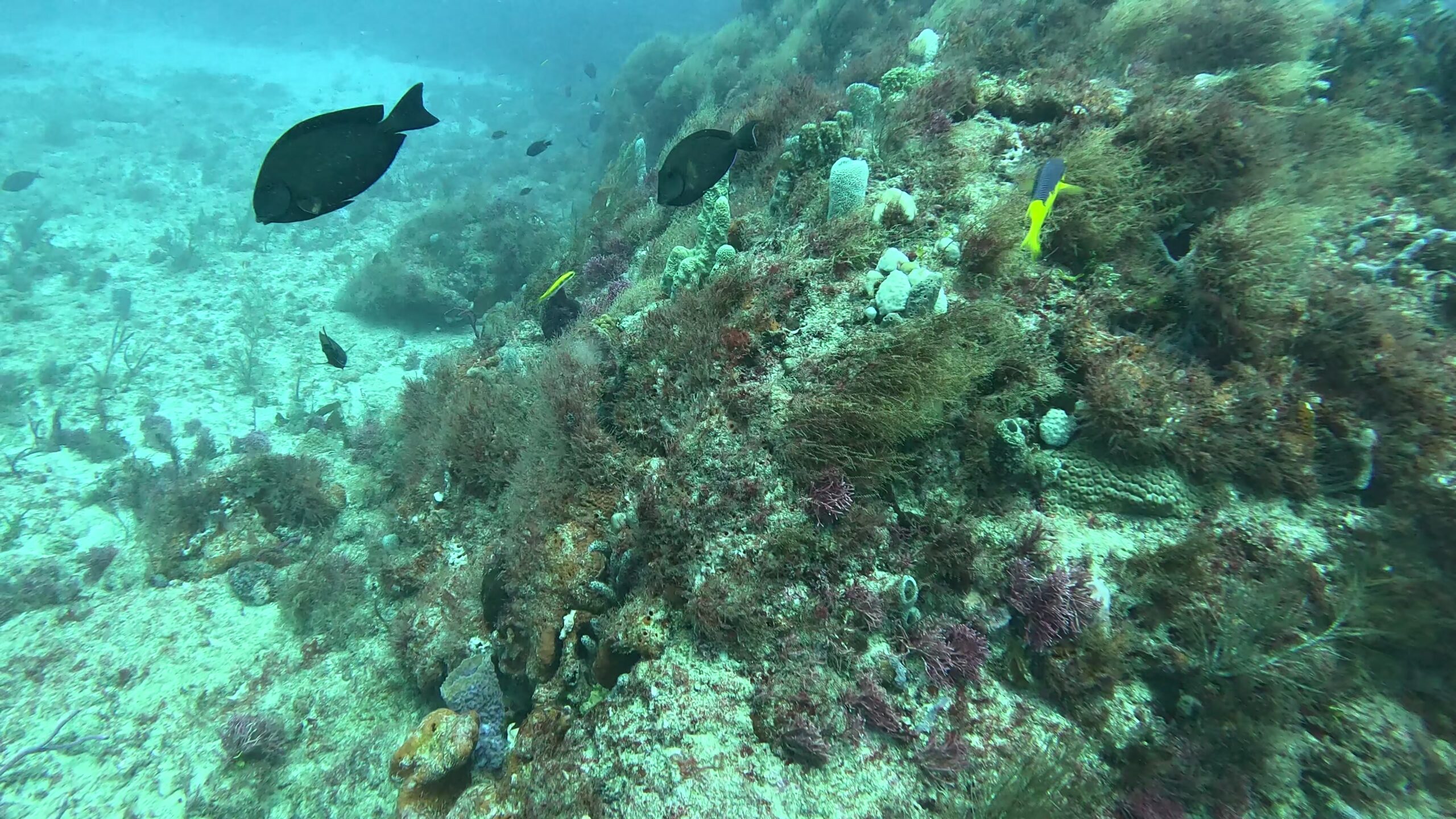
Ocean conditions are weather-dependent in a way the springs are not, so we will talk through the forecast when we set your dates. The springs are the reliable option; the ocean is the memorable one. Plenty of students do two dives in each.
One instructor. One or two students.
Most referral programs move you through with a group. This is not that.
Your completion dives are private instruction — you, or you and the person you are travelling with, and your instructor. You set the pace. If your mask clearing needs ten minutes, it gets ten minutes. If you are solid and would rather spend the extra bottom time actually looking at the spring, you can.
$595 per student — private instruction, all four open water dives.
What’s included, and what to bring
Included
- Private SSI instruction across all four open water training dives
- Cylinders and weights
- Site orientation and dive planning
- Your certification processed in MySSI as soon as you finish
Bring with you
- Mask, fins, snorkel and boots — your own, properly fitted
- Your MySSI login
- A 3mm or thicker wetsuit (rental available) — 72°F is comfortable, but you will feel it by dive three
- Your logbook, if you keep a paper one
Rental BCD, regulator, dive computer and exposure suit are all available if you would rather not fly with them.
Planning the trip
Two days, four dives. Most students fly into Orlando International (MCO) and drive from there.
The springs sit one to two hours north of Orlando, so if the rest of the family is doing theme parks you can finish your dives and be back for dinner. A good number of our referral students are the one diver in a family of six on an Orlando holiday — that is a normal week for us.
Weekends book out first in January, February and March. That is the season northern students come down, and it is the season we fill up.
Common questions
How long does it take?
Two days and four open water dives. Some students prefer to spread it across three mornings, which we are happy to do.
I trained with PADI, NAUI or SDI. Can you finish me?
We complete SSI referrals. Cross-agency referrals carry real rules, and the honest answer depends on your specific paperwork and which agency card you want to end up holding. Get in touch and we will tell you either way — and point you to someone who can help if we cannot.
My referral is more than six months old.
You will need a Scuba Skills Update before the open water dives, and past twelve months, the final exam again. We can handle the update here — it just adds time to your first day.
Do I need my own gear?
Mask, fins, snorkel and boots you really should own, because fit matters too much to leave to a rental bin. Everything else we can provide.
Can my family come and watch?
At the springs, yes. Most sites have picnic areas, and non-divers can usually snorkel for a small entry fee. Ocean dives are different — those are divers only.
How cold is 72 degrees, really?
Warmer than any northern quarry in August. In a 3mm suit most people are comfortable across two dives, and a 5mm makes it a non-issue.
What if the weather turns?
The springs dive in almost anything. If we had planned ocean dives and the forecast falls apart, we move you to a spring rather than cancel your trip.
Tell us where you left off
Send us the name of the shop where you trained and roughly when you did your pool sessions, and we will tell you exactly what is left and what it will cost — before you book a flight.
Not started yet, and reading this from somewhere cold? Our full SSI Open Water course runs here in Orlando too, and the training pathway shows where it leads next.